

STEP 01
Even with the same ingredient, which layer you fill first changes the result. Even with the same ingredient,
which layer you fill first
changes the result.
If you’ve ever had filler and it looked unnatural,
the problem was usually the order — not the ingredient.
Ageing spreads from the inside out
The first thing to change is the bone; the last thing to show is the surface skin.
Approach it from the surface alone, and you never reach the origin of the problem. The first thing to change is the bone;
the last thing to show is the surface skin.
Approach it from the surface alone,
and you never reach the origin of the problem.
From the inside out
Change that spreads in five stages
STEP 02
The deep fat that held up the face loses volume
STEP 03
The tissue supporting skin and fat slackens
STEP 04
Fat drifts downwards, and the balance of facial volume breaks down
STEP 05
Hollowing and sagging appear, and the contour of the face changes
The changes you can see arrive last.
Rebuilding runs in reverse — starting from the deepest layer.
If any of this sounds familiar
Even “hollowing” that looks similar has a different cause in each person.
For some it is fat that has thinned; for others, muscle that has shifted; for others still, bone that is receding.
Where does the hollowing in your face begin?

Sunken cheeks make the face look older
Layer 4 Fat layer (deep)

The nasolabial folds keep getting deeper
Layer 4 Fat layer (superficial)

Sunken temples make you look worn out
Layer 7 Bone · fat depression

You’ve had filler, but it looks unnatural
A matter of injection order
✅ Obliv's treatment guide
These changes may look alike, but their causes differ. First, we confirm which layer the problem is in.
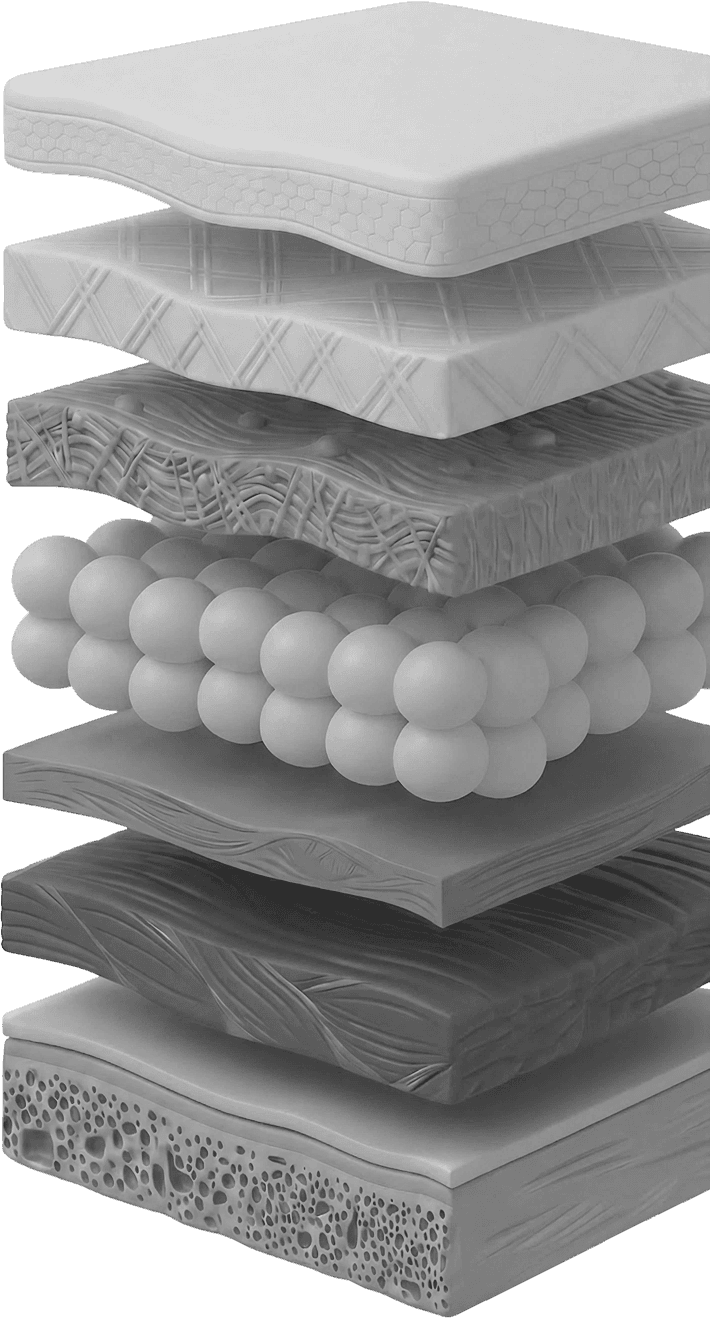
Why volume and shape change:
because three layers change at once
From the fat layer to the muscles and the bone — we walk through the changes that happen simultaneously, one by one.
LAYER 4 · Fat layer
Three changes happen in the fat layer at once
The mid-cheek hollows first, the jawline blurs, and the nasolabial folds deepen. People of the same age start to lose volume in different places — cheeks first for some, jaw first for others — because the balance of these three changes differs.LAYER 6 · Muscle
The facial muscles begin to shift out of line.
A face that was an inverted triangle in your 20s reads as square in your 40s. The face hasn’t widened — as the balance of the muscles changes, the relative impression of the cheekbones and jaw changes with it.LAYER 7 · Bone
Unnoticed, the bone is receding too.
The eyes look sunken, the midface flattens, and the angle of the jawline widens. When the bone changes, every layer above it settles down with it.We design from the deepest layer.
If you’ve ever had filler and felt it looked unnatural, the problem is often the order of injection, not the ingredient.
As much as where the material is placed, the order in which it is placed decides the result.
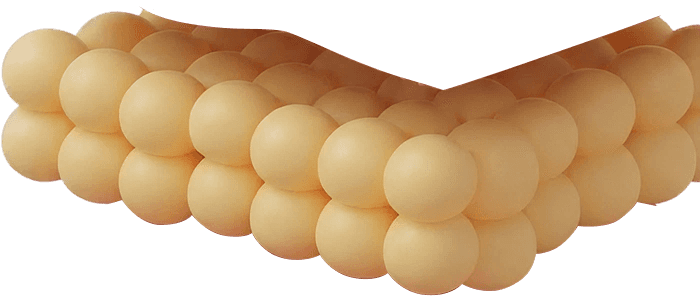
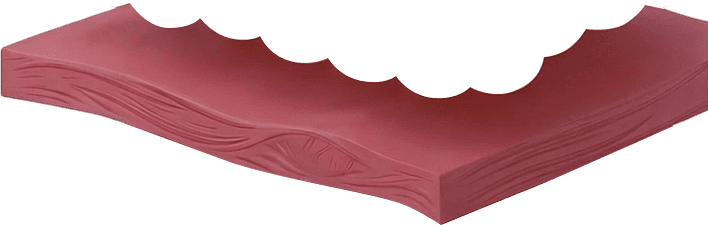
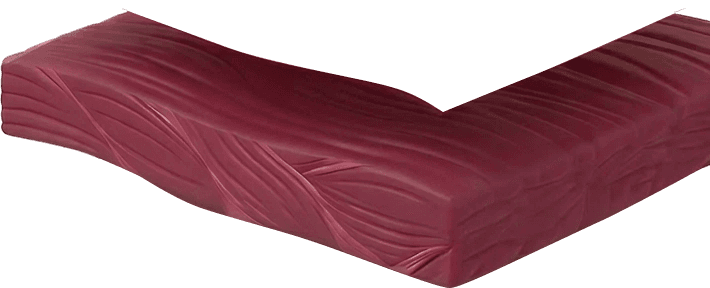
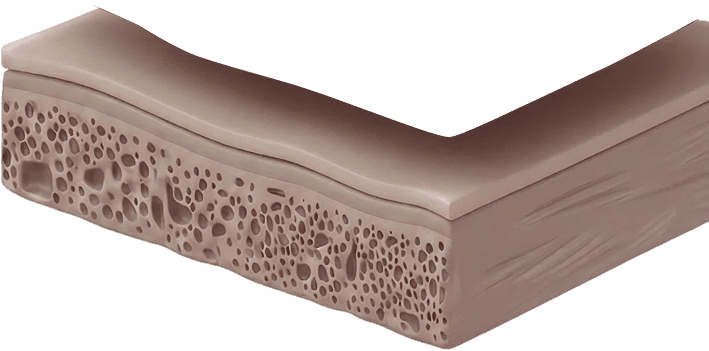 Subcutaneous (fat layer)FasciaIn and around the muscleRight above the bone
01
Right above the bone
The stage of laying the “foundation” back down on the weakened bone. If this is left empty, the layers above never look right, however much you fill them.02
Subcutaneous plane
Rebuilding the support line — securing the pathway that carries tissue upwards.03
Subcutaneous (fat layer)
Adjusting the volume. Once deep support is restored, this layer needs less than it otherwise would.04 · Last
In and around the muscle
Fine-tuning the surface balance. When Botox releases excess tension, the overall line looks more natural.Structural support goes into the deep layer just above the bone first; volume is then adjusted in the fat layer.
When deep support is restored first, the surface fat that had drifted down can also be expected to return towards its original position.
Obliv’s Volume · Shape works to a dual-plane principle, in the order: deep layer (right above the bone) → superficial layer (fat).
Volume · Shape treatments —
which concern is each one for?
Even “volume treatments” differ in purpose. Each card leads with the concern it is used for, with the ingredients and structure explained beneath.
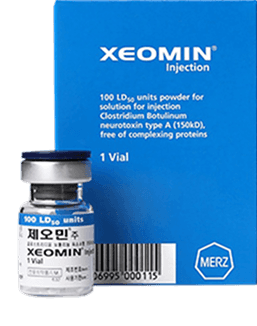
NEUROMODULATOR · Muscle
Botox
LAYER 6 · In and around the muscle
This is not a wrinkle-erasing procedure. It is a structural treatment that releases over-tense muscles and rebalances the face.
How
Botulinum toxin selectively relaxes overactive muscles. Used for contour refinement (square jaw, V-line), softening wrinkles and improving muscle balance.
DERMAL FILLER · Dual plane
Filler
LAYER 4 · 7 · Dual-plane injection
A treatment that restores volume. The depth it goes to decides the result.
How
HA (hyaluronic acid) or CaHA (calcium hydroxylapatite) filler is applied differently by injection depth: structural support is rebuilt first in the deep layer right above the bone, then surface volume is refined in the fat layer. CaHA provides immediate volume while inducing your own collagen production.

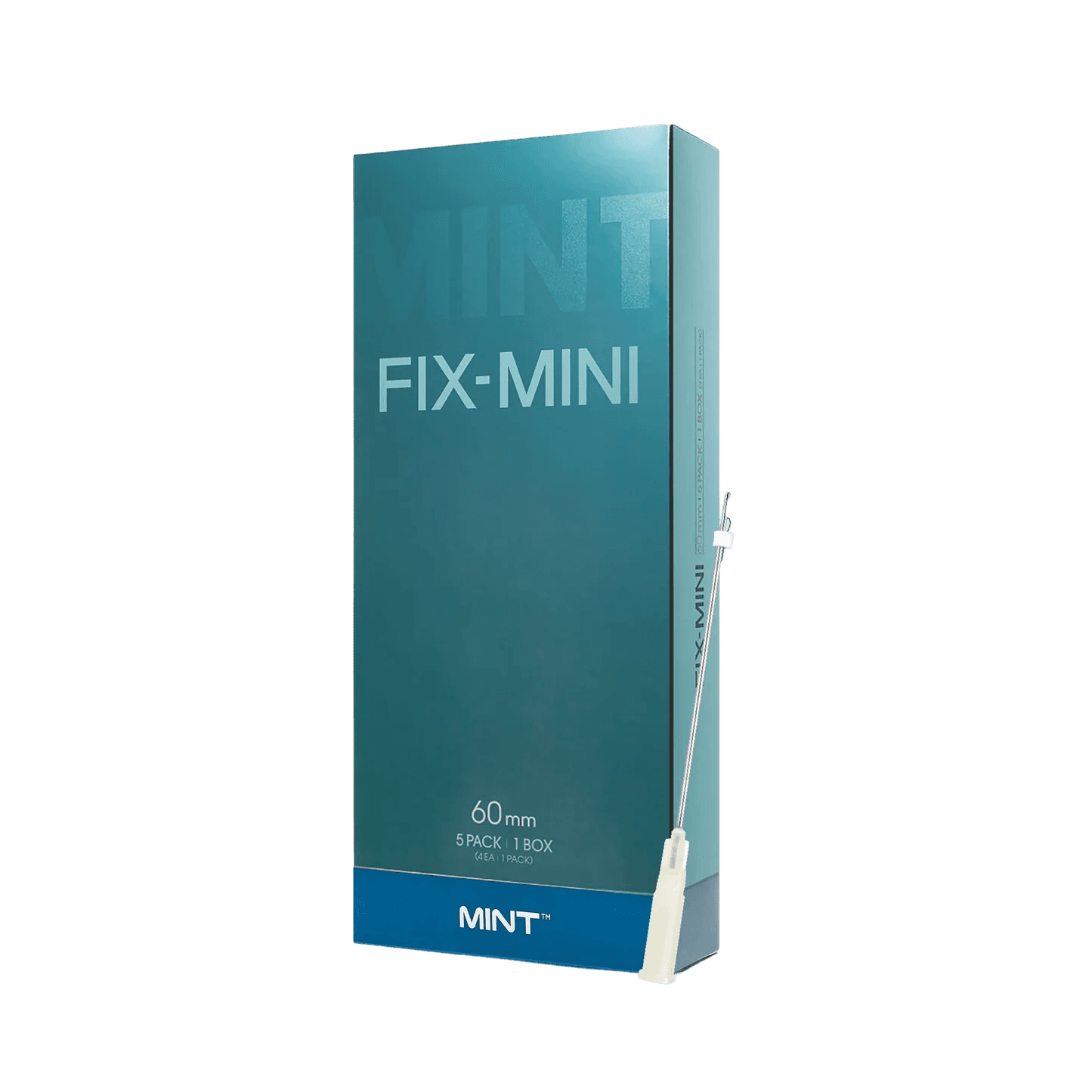
THREAD LIFTING · Physical traction
MINT Lift
LAYER 5 · Fascia traction
Sagging tissue is lifted directly with threads — effective for laxity that devices struggle to reach.
How
Barbed PDO (polydioxanone) threads physically draw the tissue up from the deep layers. Lifting shows immediately after the procedure, and as the threads dissolve they stimulate collagen production.
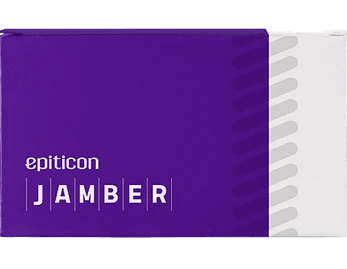
THREAD LIFTING · Spring type
JAMBER
LAYER 5 · Fascia · Volume restoration
Unlike MINT Lift, its spring structure restores volume as well as lifting.
How
A spring (scaffold) type PDO thread. Its dense structure widens the area of tissue contact to encourage collagen regeneration, and as it dissolves it helps re-form the ligament and surrounding tissue network.
FAQ
Do you have any questions?
+ Can I go straight back to my daily routine after treatment?
With Botox and filler treatments you can carry on with your day. For 4–6 hours after the procedure, take care not to touch or press the treated area, and avoid saunas, alcohol and strenuous exercise on the day.
+ How soon does Botox take effect?
The effect starts to appear 3–7 days after treatment, reaching its peak at around two weeks. On average it lasts 4–6 months.
+ Can I have thread lifting and fillers together?
Yes, they can be combined. Thread lifting physically draws up sagging tissue, while fillers restore lost volume — two different roles. At Obliv we diagnose the layers first, then design the best combination.
+ How long do filler results last?
HA (hyaluronic acid) fillers typically last 6–18 months, and CaHA (calcium hydroxylapatite) fillers 12–18 months. This varies with injection depth and area, and with individual metabolism.
+ How are Botox and fillers different?
Botox uses botulinum toxin to relax over-tense muscles, easing wrinkles and refining the facial contour. Fillers restore volume directly to hollowed areas. Obliv works to a dual-plane principle: filling from the deep layer right above the bone first, then the fat layer.