
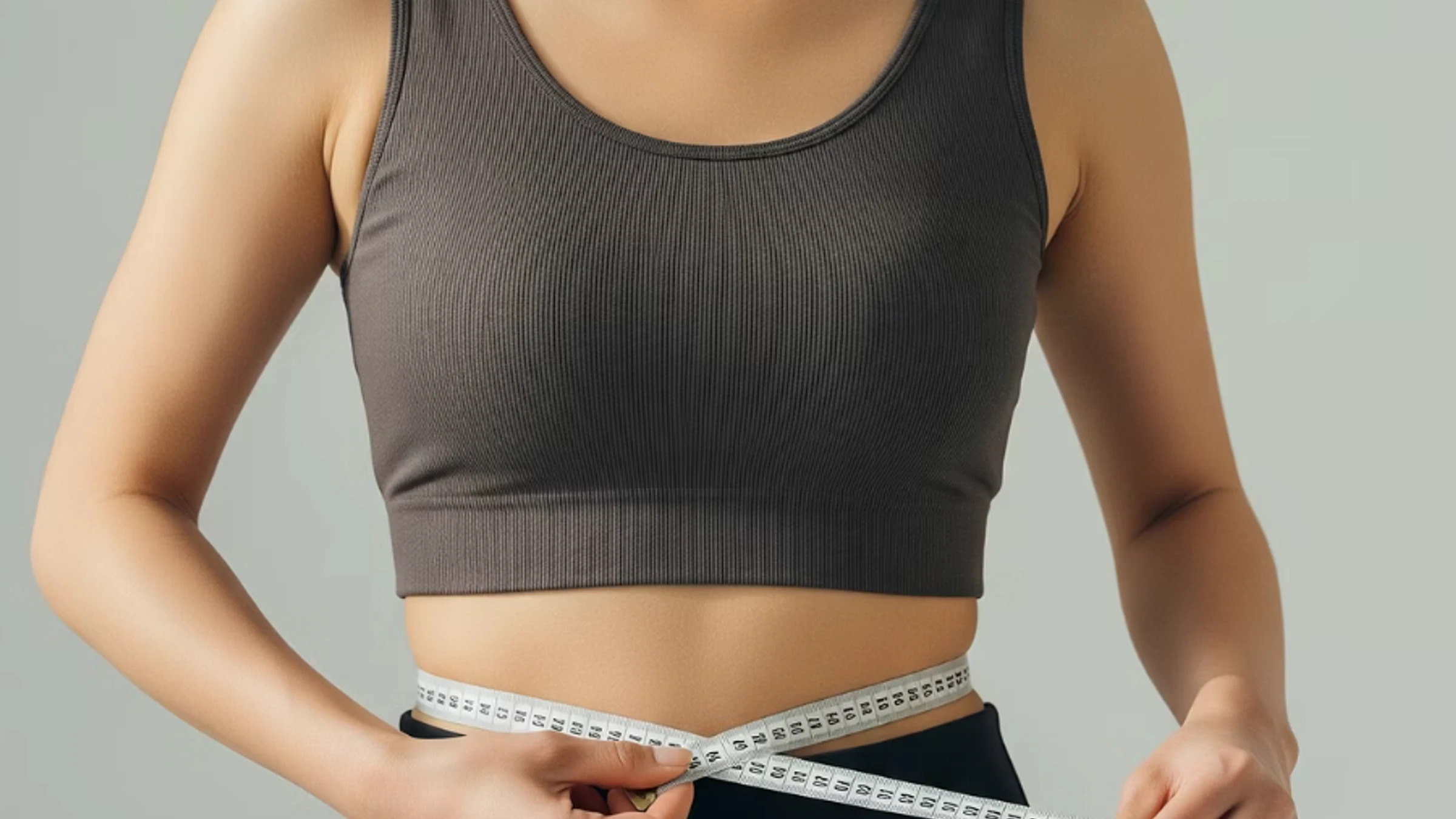
If you've had fat-dissolving injections and feel frustrated that nothing much seems to have changed, there's one thing worth saying first. When the injections feel like they're 'not working', there's usually a clear reason — and most of those reasons can be found and put right. Before simply adding more sessions, checking why the change feels slow is actually the quicker route.
In three lines ① More often than 'not working', the results simply haven't shown yet or the conditions weren't right. ② The common causes: too few sessions or too little time, the area and type of fat, mismatched expectations, lifestyle, or the treatment plan. ③ Find and adjust the cause and things usually improve — adding sessions without checking is not the answer.
'It's not working' can mean two different things
When we hear 'it's not working' in the consulting room, the first job is to separate two situations. In one, it's simply too early for the results to show; in the other, plenty of time has passed and the response is genuinely weak. The causes — and the remedies — are entirely different.
It usually takes a few weeks for the broken-down fat to be cleared from the body and show as a visible change in your line. Feeling that 'nothing's changed' a week after treatment isn't a lack of results — it's just too early. If, on the other hand, two or three months have passed with no change in measurements or contour, that's when it's worth going through the causes below one by one.
Five common reasons you're not seeing results
When change feels slow, a handful of patterns come up again and again. As you read, think about which is closest to your situation.
① Not enough sessions, or not enough time. Fat-dissolving injections aren't a one-off treatment; the effect accumulates over several sessions. Before you've completed the right number at the right intervals, it's only natural for the change to feel small. You can read about the right number in our piece on fat-dissolving injection sessions and intervals, and about when results settle in under when the results appear.
② The area or type of fat doesn't suit the injection. Zero-Kalo Fit is a fat-dissolving injection focused on reducing the number of fat cells, rather than their size, to curb the area filling back in. But it works on the subcutaneous fat you can pinch — visceral fat, simple fluid retention and sagging skin don't reduce the same way. The first thing to confirm is that what you want to reduce really is subcutaneous fat.
③ You're only watching the scales. Fat-dissolving injections aren't a weight-loss treatment; they refine the measurements and line of a specific area. It's common for your waistline or the fit of your clothes to change while your weight stays put. Judge the change by weight alone and you can easily miss the real result.
④ Lifestyle has undone the work since treatment. Even with fewer fat cells after treatment, if the remaining cells keep being given the conditions to grow again — frequent late-night eating, alcohol, too little exercise — the change gets masked. Zero-Kalo Fit's strength lies in curbing the signals that refill the area, but it can't stand in for your lifestyle.
⑤ The plan or dose didn't fit your area. The same injection needs a different depth and amount to match each area's skin layers and fat thickness. Apply one identical approach everywhere and certain areas can respond weakly.
Where do you fit? A self-check
Hold what you're noticing up against the table below and you'll have a sense of where to start checking.
| **What you're noticing** | **Likely cause** | **Where to check** |
|---|---|---|
| It's only been 1–2 weeks since treatment | Still too early | Complete the planned sessions and timeframe, then reassess |
| My weight hasn't changed | Wrong yardstick | Compare measurements, photos and clothes fit instead of weight |
| The pinchable fat is unchanged and my belly feels firm | Possibly visceral fat or fluid retention | Ask whether the target really is subcutaneous fat |
| My eating and drinking have crept up since treatment | Lifestyle pulling results back | Pair the sessions with day-to-day management |
| One particular area just isn't changing | Plan or dose mismatch | Have the area-specific plan reviewed |
So how do you put it right?
When results feel slow, the choice to avoid above all is 'just have more for now'. Adding sessions without knowing the cause only adds cost and recovery burden. The proper order is to go back to where you were treated and review together whether the sessions and intervals so far have been right, whether the target area suits the injections, and whether — going by measurements and photos — there has genuinely been no change. Comparing before-and-after photos taken in the same pose, from the same position, lets you gauge far more accurately whether anything has actually changed, rather than relying on a vague impression. Depending on what that review finds, it makes sense to adjust the area-specific plan or, if need be, consider other options alongside.
How Zero-Kalo Fit works to reduce 'no results'
Zero-Kalo Fit is never the same injection given the same way everywhere. For areas as different in fat thickness and skin layers as the abdomen, upper arms and thighs, we design the depth and dose separately, then track the change between sessions through measurements and condition, adjusting the next session accordingly. A large share of 'it didn't work' experiences come down to one-size-fits-all treatment that doesn't suit the area, repeated without review.
If change feels slow, that in itself isn't failure — it may be a signal telling you what needs adjusting. If it's hard to judge on your own, we'd encourage you to bring your progress so far to a consultation and go through it together.
How many sessions before fat-dissolving injections show results?
It varies a great deal with the area and the individual, but changes in measurements and line typically emerge as several sessions accumulate. Feeling little change after one or two sessions can be a natural part of the process.
If it's not working, should I just have more sessions?
We don't recommend adding sessions without knowing the cause. It's more effective to review the target area, the sessions so far and your lifestyle first, and adjust the plan where needed.
Why do results differ from person to person?
The type and thickness of fat in the area, the treatment plan, and your lifestyle after treatment all play a part. That's why the same injection can produce different results.